First setup by model
Print From a USB Flash Drive on Your Printer, Step by Step
Written by Printers Setup Editorial Team · Updated
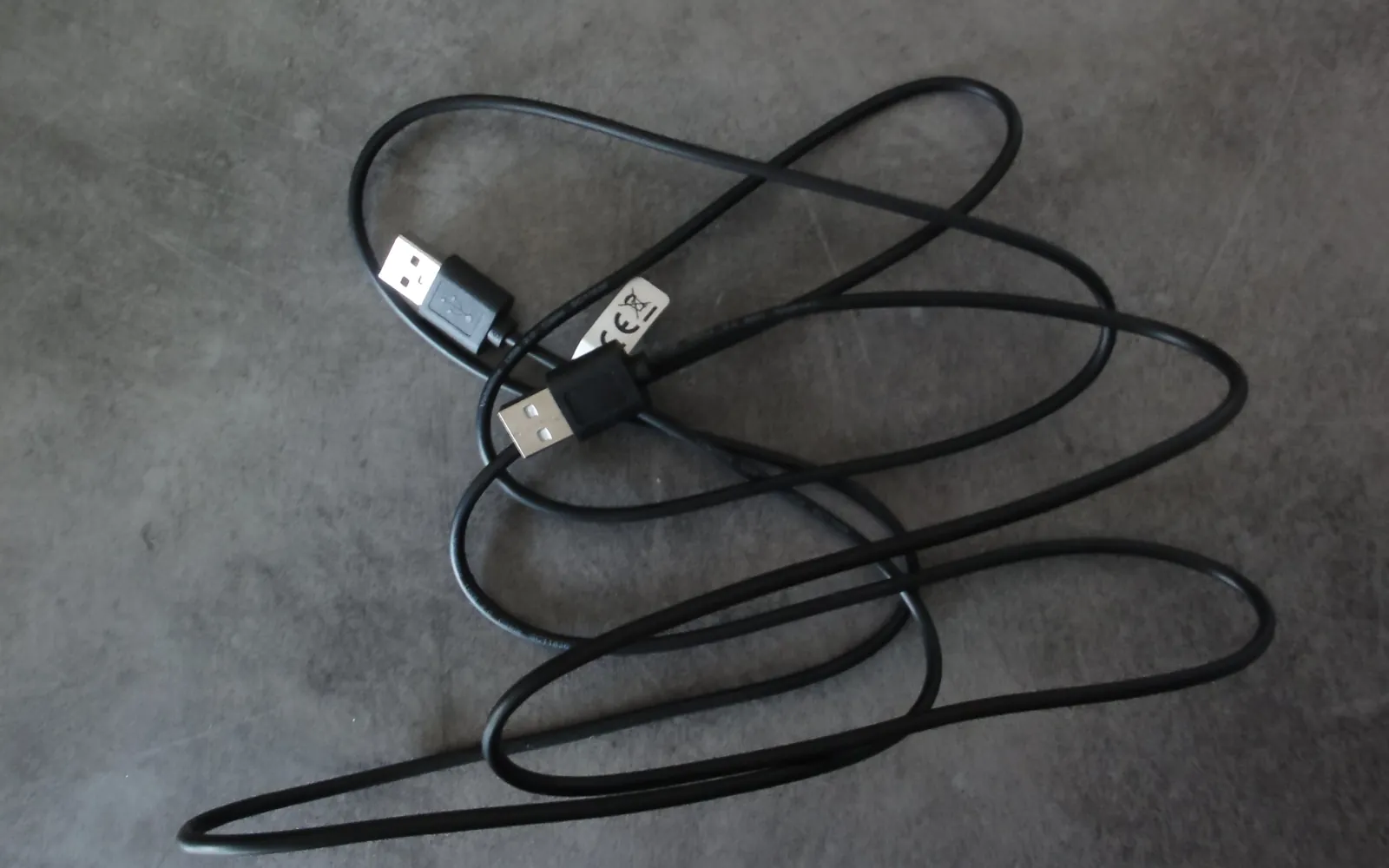
Sometimes the computer is not the easiest place to print from: a friend hands you a stick of holiday photos, or a laptop is out of action. Many printers with a touch screen can print from a USB flash drive directly, no computer or phone needed. This guide explains how to tell whether yours can, which files work and the steps on typical Canon and Epson models.
Check the printer has a host port
Printers have two very different USB sockets:
| Port | Shape | What it is for |
|---|---|---|
| USB-B (device port) | Squarish, usually on the back | Connecting the printer to a computer with a cable |
| USB-A (host port) | Flat rectangle, like a laptop’s, usually on the front or side | Flash drives, and on some models cameras or other storage |
Only a printer with a host port can read a flash drive. Many compact and budget printers have just the rear USB-B port, in which case printing from a stick is not possible on that model. If you only want to connect a computer, see our guide to connecting a printer to a laptop with USB instead.
Some printers also have a memory card slot. The menus for cards and USB drives are usually the same, labelled “Memory Device” or similar.
Check the file types
The printer reads files itself, so it can only print formats its firmware understands. As examples:
- Epson’s instructions for the WorkForce WF-3720 cover printing JPEG photos and TIFF files from a USB device, and Epson notes it cannot guarantee every device is compatible.
- A Canon manual for one large-format model lists JPEG and PDF, with limits such as baseline JPEG only and PDF version restrictions.
So before you go to the printer, convert anything else on a computer: export photos as JPEG and save documents as PDF if your printer supports PDF. Put the files at the top level of the drive or in a simple folder, and remove the drive safely from the computer before unplugging it.
Print photos from a flash drive (Canon touch-screen example)
Canon’s manual for the GX7100 series lists these steps:
- Turn on the printer and load paper.
- Insert the USB flash drive.
- On the HOME screen, select Print, then Print from USB flash drive. The photo selection screen appears.
- Flick left or right to choose a photo, and set the number of copies.
- Open the menu at the bottom to change Settings such as page size, media type and print quality.
- Press the Color button to start.
Canon notes that if the drive contains both photos and PDF files, you are asked which to print, and that with more than 2,000 photos they are split into groups, newest first.
Print photos from a flash drive (Epson example)
Epson’s steps for the WF-3720 are:
- Plug the drive into the USB port on the front of the printer.
- Press the home button if needed and select Memory Device.
- Select JPEG (or TIFF for TIFF files).
- Choose your photos in Tile View or Single View; a menu option selects all photos.
- Select Print Settings, set the options, then enter the number of Copies.
- Select the Print icon.
Epson notes that with more than 999 JPEG images on the device, they are divided into groups and you choose a group first.
If the printer does not read the drive
- “No printable data” or “not of a supported type”. The printer found the drive but no files it can print. Check the file format and the manual’s file specifications.
- Nothing happens when you insert it. Confirm you are using the host port, not a card slot or the rear USB-B port. Try a simpler, smaller drive; very large or multi-partition drives may not be recognised.
- The drive is busy with faxes. Canon warns that if a drive is set to store received faxes automatically, you cannot print photos from it until that auto-save setting is turned off.
- An operation restriction message appears. Some office-style printers let an administrator disable direct printing; ask whoever manages the printer.
Preparing files on a computer
A few minutes at a computer saves a lot of trial and error at the printer:
- Photos from a phone. iPhones often save photos as HEIC, which many printers cannot read. Export or share them as JPEG, or change the camera format setting, before copying them to the drive.
- Documents. Save Word, Excel or web pages as PDF, and only if your printer’s manual lists PDF. If it does not, print documents from the computer instead.
- File names and folders. Keep names short and plain, and avoid deep folder trees. The printer’s screen shows thumbnails or names, and a tidy drive makes the right file easy to find.
- One job per drive. If the drive also holds backups or thousands of photos, the printer may take a long time to read it and split the photos into groups. A small drive with just the files you want to print is quicker.
Settings worth checking first
Prints from a drive use the settings chosen on the printer’s screen rather than your computer’s. Before a big batch, check that paper size and type match what is in the tray, and print one copy first. Our guide to printing a test page helps you check the output before you use expensive photo paper.
Other ways to print without a computer
If your printer has no host port, the phone is the next best option. Most printers now support printing from an iPhone with AirPrint or from Android over Wi-Fi. Without a router, Wi-Fi Direct lets a phone connect straight to the printer.
Frequently asked questions
How do I know if my printer can print from a USB stick?
Look for a flat, rectangular USB-A socket on the front or side, and check the manual for a section on printing from a USB flash drive or memory device. If neither exists, the printer cannot do it, and the USB-B port on the back only connects to a computer.
Which file types can I print from a USB drive?
It depends on the model. Epson's guide for the WorkForce WF-3720 covers JPEG and TIFF; a Canon manual for one large-format model lists JPEG and PDF with specific limits. Check your own manual's file specification section.
Why does my printer say the data is not supported?
Canon's manual shows a message like 'Saved data is not of a supported type' when the drive has no printable photos. Copy the file in a supported format, such as a standard JPEG saved from a computer, into the top level of the drive and try again.
Can I print Word documents from a USB stick?
Home printers generally do not open Word files directly. Save the document as a PDF on your computer first, and check that your printer lists PDF as a supported format.
Sources
Editorial team
The Printers Setup team writes and reviews step-by-step printer setup guides and checks them against the current menus of Windows, macOS, ChromeOS, iOS and Android.