Computers
How to Connect a Printer to a Laptop With USB: Full Guide
Written by Printers Setup Editorial Team · Updated
You can connect a printer to a laptop with USB in a few minutes, and it is still the least fussy way to get printing: no Wi-Fi password, no network search, no router settings. Plug the cable in at the right moment, let the laptop find the printer, print a test page. The only real traps are buying the wrong cable and plugging in too early when a maker’s installer wants to go first. This guide covers both, then the steps for Windows 11, Mac and Chromebook.
Which USB cable do you need?
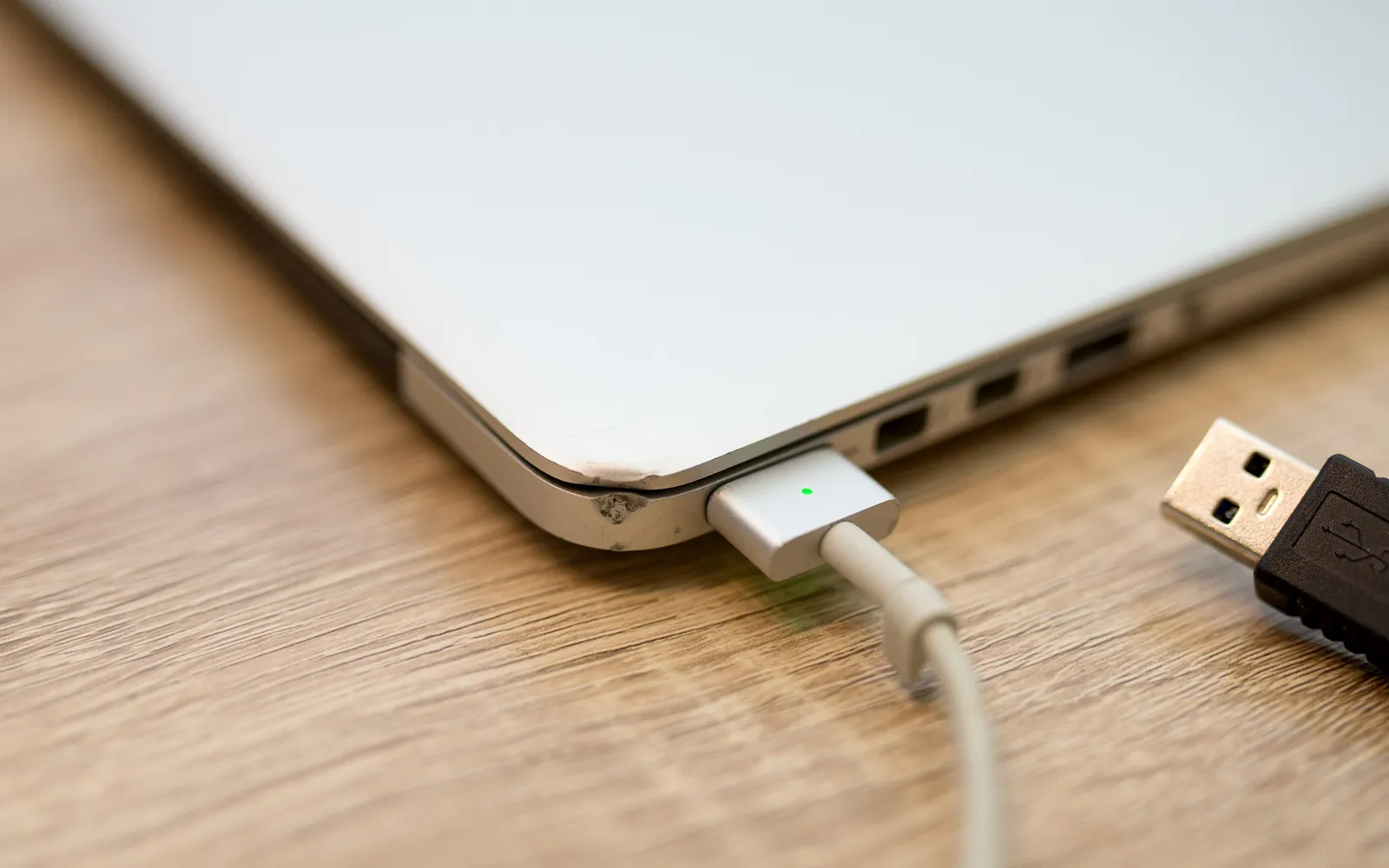
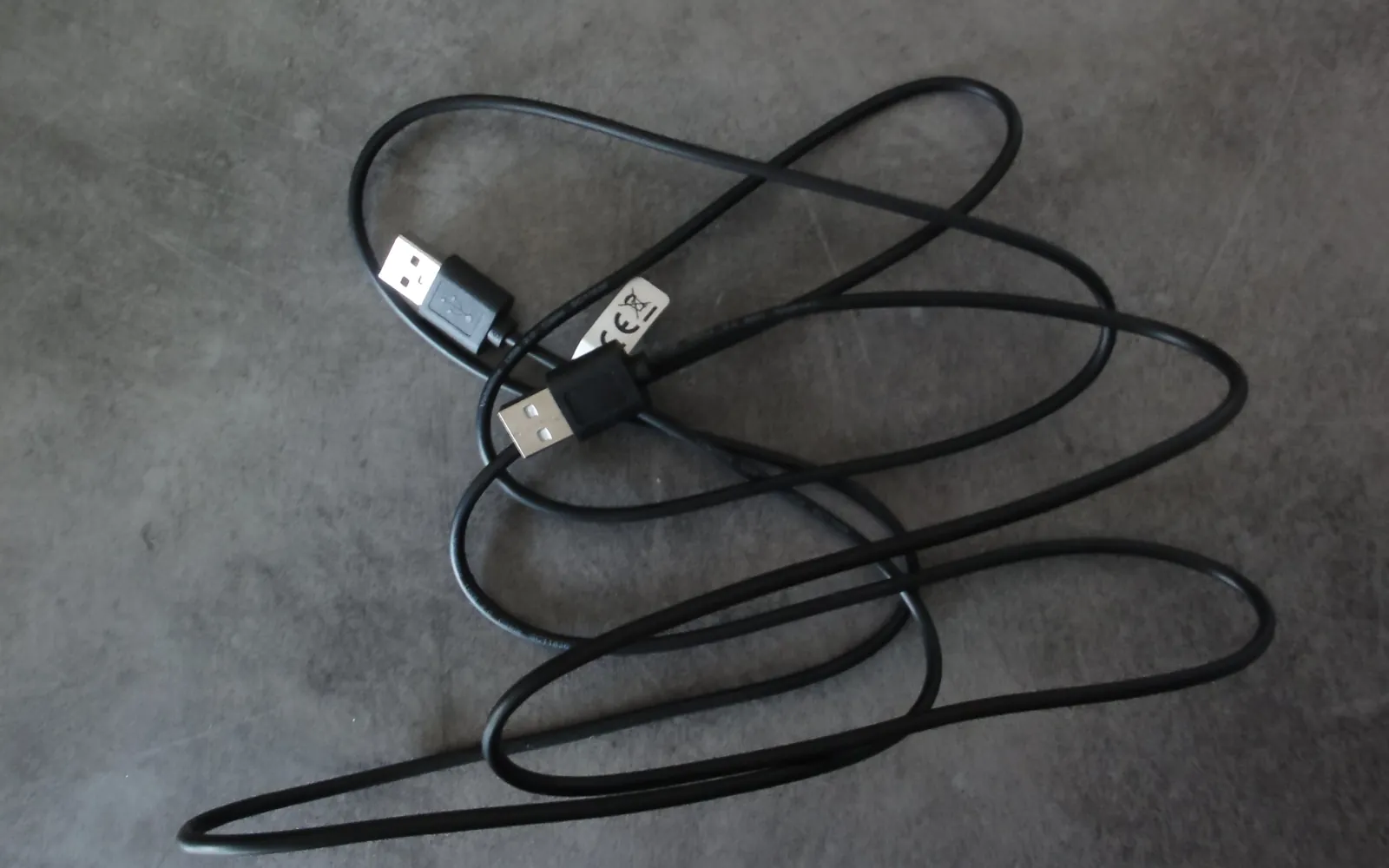
Look at the back of the printer. On most home and office printers the USB socket is a squarish USB-B port, slightly bevelled at the top. The laptop end depends on your laptop:
| Laptop ports | Cable or adapter to use |
|---|---|
| Rectangular USB-A ports | A USB-A to USB-B cable, often sold as a “printer cable” |
| USB-C only (many thin laptops and recent MacBooks) | A USB-C to USB-B cable, or your existing printer cable plus a USB-C to USB-A adapter |
| Both | Either; USB-A with a standard printer cable is simplest |
A few printers use a different socket, such as micro-USB or USB-C, so check the connections diagram in the manual if the port does not look square. Also check the box contents: many printers do not include a USB cable at all.
Cable length matters less than people expect. A short cable of a couple of metres is plenty for a printer on the same desk; very long passive USB cables can be unreliable, so move the printer closer rather than stretching the run.
Get the order right
There are two ways to set up a USB printer, and they want different orders:
- Operating system only (no installer). Plug the cable in and let Windows, macOS or ChromeOS install it. This works for a large share of current printers.
- Maker’s installer. If you download the full software from the maker’s support site, for example for scanning tools or extra print settings, run it first. Some installers specifically ask you not to connect the USB cable until they show a prompt. Follow that instruction; plugging in early can leave a generic driver in place that the installer then has to work around.
Either way, finish the printer’s own setup before connecting anything: power on, load paper, fit the ink or toner and let it complete any first-time routine. Our new printer unboxing guide walks through that.
Windows 11
- Switch the printer on and plug the USB cable into the printer and the laptop.
- Wait a few seconds. Windows usually detects it and installs a driver automatically.
- Open Settings, Bluetooth & devices, Printers & scanners to confirm the printer is listed.
- If it is not, select Add device and wait for the search, then add it.
- Select the printer, then Print test page.
If Windows has no suitable driver, get the current one from the maker’s website; see how to install a printer driver in Windows 11. For the full menu walkthrough, see how to add a printer in Windows 11. Still on an older PC? The equivalent steps are in add a printer in Windows 10.
Mac
- Update macOS if an update is waiting; Apple delivers printer software through software update.
- Connect the printer with the USB cable and switch it on.
- On many printers macOS adds it automatically. To check, open System Settings, Printers & Scanners.
- If it is missing, select Add Printer, Scanner or Fax, choose the printer from the list (a USB printer is usually marked as USB) and select Add.
If macOS offers to download software for the printer, allow it. More detail is in how to add a printer on Mac.
Chromebook
ChromeOS supports USB printing for many printers. Plug the printer in and a notification usually appears offering to set it up. If not:
- Open Settings and search for Printers.
- Under the printer settings, find your USB printer in the list of available printers and select Save or Set up.
- If asked, choose the maker and model.
Our guide to adding a printer on a Chromebook covers the network options too.
Laptops with no USB-A port, docks and hubs
Many slim laptops only have USB-C or Thunderbolt ports. You have three tidy options:
- A USB-C to USB-B cable straight to the printer. The cleanest choice if the printer lives next to the laptop.
- A small USB-C to USB-A adapter plus the printer cable you already have.
- A dock or hub that also carries your monitor, keyboard and charger. Printers generally work through these, which means one cable connects everything when you sit down.
If the printer does not appear through a hub or dock, plug it straight into the laptop. That tells you whether the hub is the issue before you start changing drivers.
If the printer does not appear
Keep to these setup checks first:
- Printer on and ready, no error lights, setup routine finished.
- Cable firmly seated at both ends; try another USB port on the laptop.
- Try a different cable if you have one. Some USB-C cables sold for charging do not carry data properly.
- Unplug, restart the laptop, plug back in.
- Install the maker’s current driver if the system offers none; see installing a printer without the CD.
Moving to Wi-Fi later
USB serves only the laptop it is plugged into. If you later want phones or another computer to print, connect the printer to your network; many printers can use USB and Wi-Fi side by side. The wireless printer setup guide explains how, and some makers’ setup tools can switch a USB-connected printer to Wi-Fi from the laptop. Once it is on the network, phones can print directly; see print from iPhone.
The full sequence, including how to remove the old USB entry so jobs do not go to the wrong copy, is in our guide to changing a printer from USB to wireless.
Sharing a USB printer without Wi-Fi
If the printer has no Wi-Fi at all, other devices can still use it in two ways. The laptop can share it, which only works while the laptop is switched on and awake; see how to share a printer on a network. Or a small always-on device such as a Raspberry Pi print server can take over the USB connection and share it with every computer. Phones are a special case: Apple says AirPrint does not work with printers connected over Bluetooth or to the USB port of an AirPort base station, and a printer shared from a computer may or may not appear on an iPhone. Our guide to printing from an iPhone without AirPrint lists the options that do work.
Removing the printer from the laptop
When you replace the printer or change how it connects, remove the old entry so it does not linger in print dialogs. See remove a printer in Windows 11 or remove a printer from a Mac.
Frequently asked questions
What cable do I need to connect a printer to a laptop?
Usually a USB-A to USB-B cable, often sold as a printer cable. The square-ish USB-B end goes into the printer and the flat USB-A end into the laptop. If the laptop has only USB-C ports, use a USB-C to USB-B cable or a USB-C to USB-A adapter. Check the printer's manual, as a few models use a different socket.
Is a printer cable included in the box?
Often not. Many printers ship without a USB cable, so check the box contents list before you start.
Should I plug in the USB cable before installing the software?
Follow the maker's installer if you use one. Some ask you not to connect until they prompt you, so the right driver is installed first. If you are not using an installer, plug in and let the operating system set the printer up.
Does a USB hub or docking station work for a printer?
In most cases, yes. If the printer is not detected through the hub, connect it directly to a port on the laptop to rule the hub out.
Can I use USB and Wi-Fi on the same printer?
On many printers, yes. USB serves the one laptop it is plugged into, while Wi-Fi lets every device on the network print. Your laptop may list two entries for the same printer, one for each connection.
Sources
Editorial team
The Printers Setup team writes and reviews step-by-step printer setup guides and checks them against the current menus of Windows, macOS, ChromeOS, iOS and Android.