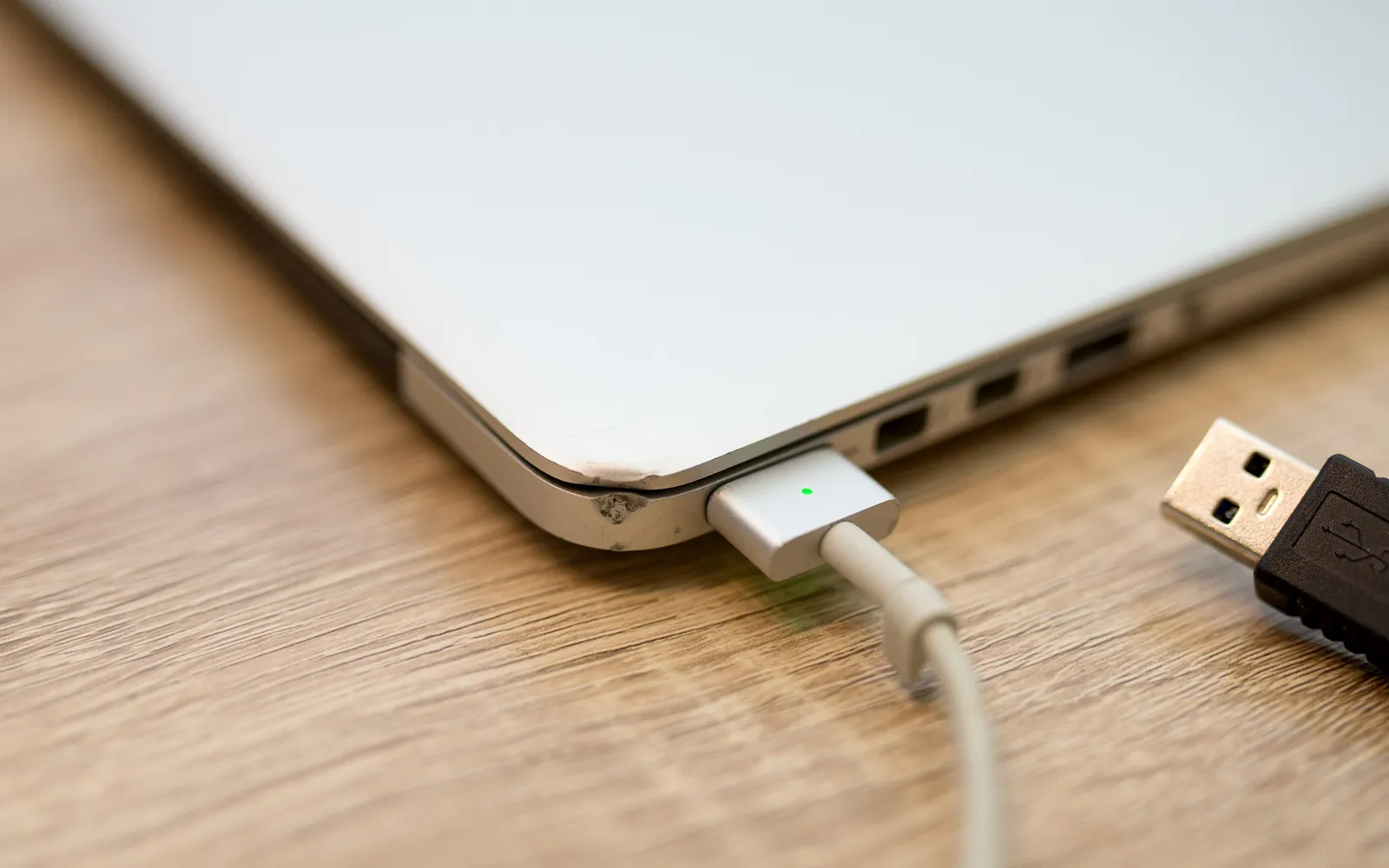
Wi-Fi and network
How to Share a Printer on a Network: Windows 11 and Mac
Written by Printers Setup Editorial Team · Updated
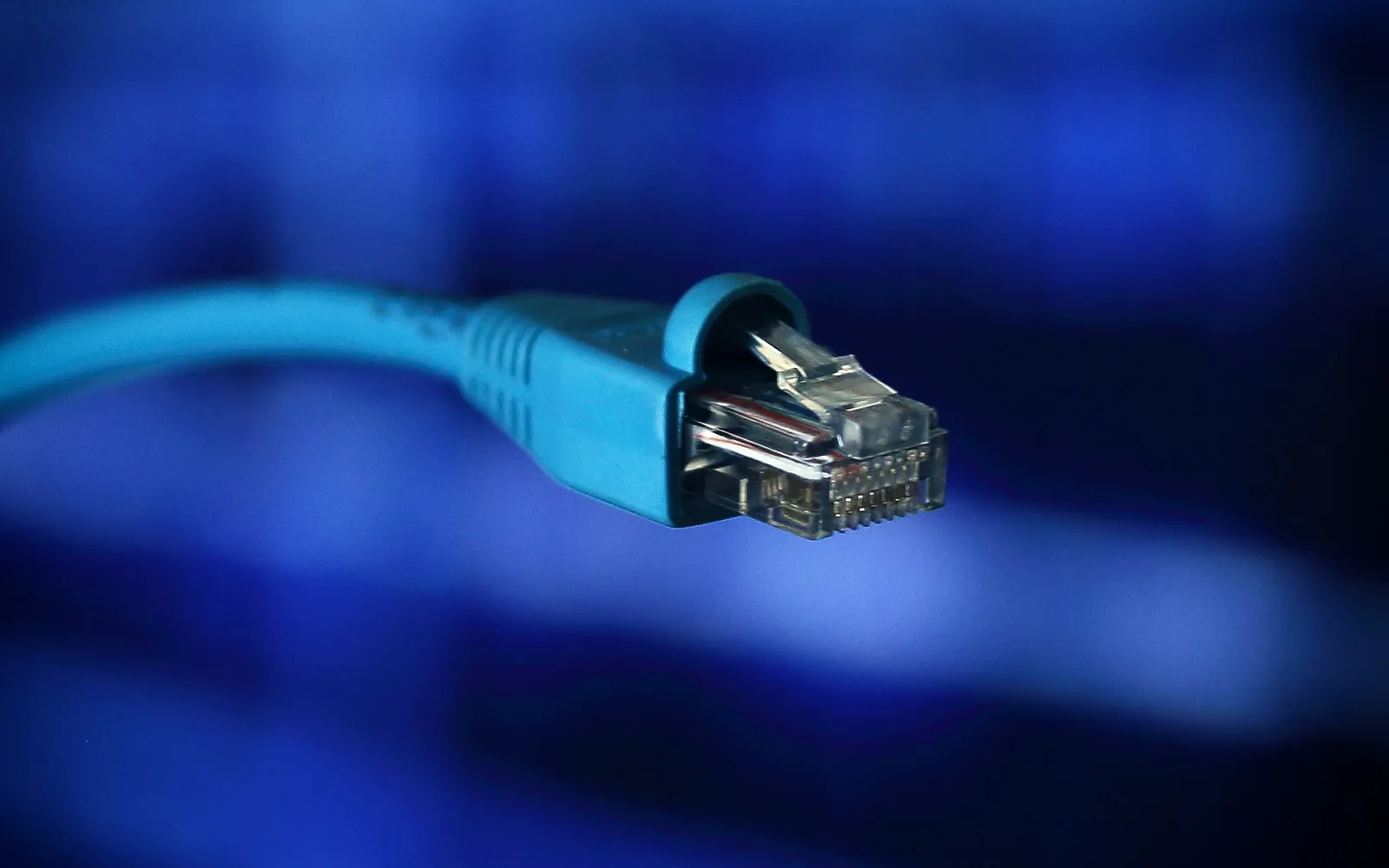
To share a printer on a network, the easiest route is to connect the printer itself to the network by Wi-Fi or Ethernet, then add it on every computer and phone. Each device then prints straight to the printer, and no computer has to stay switched on. Classic printer sharing, where one computer shares a USB printer with the others, is only worth setting up when the printer has no network connection of its own. This guide covers both.
Option 1: put the printer on the network (recommended)
If your printer has Wi-Fi or an Ethernet port, this is the whole job:
- Connect the printer to your network: see the wireless printer setup guide or Ethernet printer setup.
- Reserve its IP address in your router so it never changes.
- Add it on each device: Windows 11, Mac, Chromebook, iPhone and Android.
Every device talks to the printer directly. This works for mixed Windows, Mac, Chromebook and phone households without any extra setup.
Option 2: share a USB printer from a Windows 11 PC
Use this when the printer only has USB. The PC it is plugged into becomes the “host”.
On the host PC
- Install the printer on the host first and print a test page. See how to add a printer in Windows 11.
- Open Settings, Bluetooth & devices, Printers & scanners, and select the printer.
- Select Printer properties, then the Sharing tab.
- Tick Share this printer and give it a short share name without spaces, for example
StudyPrinter. - Leave Render print jobs on client computers ticked unless the host is very fast and the clients slow.
- Select OK.
Next, make sure the host can be found on the network:
- Open Settings, Network & internet, and check your connection’s network profile is Private, not Public.
- Go to Network & internet, Advanced network settings, Advanced sharing settings.
- Under Private networks, turn on Network discovery and File and printer sharing.
Find the host PC’s name under Settings, System, About (Device name).
On each other Windows PC
- Open Settings, Bluetooth & devices, Printers & scanners, and select Add device. The shared printer often appears with the host’s name.
- If it does not, select Add manually, choose Select a shared printer by name, and type
\\HOSTNAME\StudyPrinterusing your own names. - Windows copies the driver from the host or Windows Update and adds the printer.
On a PC still running Windows 10, the same steps apply but the menus are under Settings, Devices, Printers & scanners; see how to add a printer in Windows 10. Once the shared printer is added, you may want it to be the default on that PC; our guide to setting the default printer in Windows 11 explains how, including the “Let Windows manage my default printer” switch that can otherwise change it for you.
The host PC must be on and awake for others to print. Consider changing its sleep settings, or connecting the printer to the network instead.
Option 3: share a USB printer from a Mac
- Add the printer on the Mac and test it. See add a printer on Mac.
- Open System Settings, General, Sharing.
- Turn on Printer Sharing, then click the info (i) button beside it.
- Tick the printer to share and, if you like, limit which users can print.
Other Macs on the network will see the shared printer in Printers & Scanners, Add Printer, Scanner or Fax. In many cases iPhones and iPads can also print to a Mac-shared printer through AirPrint. Windows PCs can sometimes connect too, but it depends on drivers and is not always reliable.
Keeping a shared printer reachable
Printer sharing depends on the host computer far more than a networked printer does, so a few settings on the host decide whether it works day to day:
- Sleep and power. Jobs from other computers wait until the host is awake. On Windows 11 open Settings, System, Power & battery (or Power on desktops) and lengthen or turn off the sleep timer while plugged in. On a Mac, check the sleep and energy settings in System Settings; options vary between desktops and laptops. A laptop host with its lid closed usually sleeps, which stops sharing.
- A fixed address for the host. If other PCs connect by IP (for example
\\192.168.1.20\StudyPrinter), reserve that address for the host in your router, just as you would for a network printer. - The same share name. Changing the share name or the host’s device name breaks the connection on every client; they will need to add the printer again.
- Updates and restarts. After a major Windows update, print a test page from a client PC. If it fails, open the printer’s Sharing tab on the host and confirm Share this printer is still ticked and the network profile is still Private.
- Driver match. Clients get their driver from the host or Windows Update. If a client prints garbled pages, remove the printer on that client and add it again so it fetches a fresh driver.
If keeping the host awake becomes a chore, a printer with its own Wi-Fi or Ethernet connection, as in Option 1, removes the dependency entirely.
Which option should you choose?
| Situation | Best option |
|---|---|
| Printer has Wi-Fi or Ethernet | Option 1: connect it to the network |
| USB-only printer, all Windows PCs | Option 2: Windows printer sharing |
| USB-only printer, Macs and iPhones | Option 3: Mac Printer Sharing |
| USB-only printer, mixed devices | Consider a printer with networking, or a small print server device such as a Raspberry Pi print server |
If others cannot see the shared printer
- Confirm both computers are on the same network, with no VPN running.
- Check the host’s network profile is Private and network discovery is on.
- Allow File and Printer Sharing through any third-party firewall.
- Try connecting by the host’s IP address instead of its name:
\\192.168.1.20\StudyPrinter.
Frequently asked questions
Does the host computer need to stay on?
Yes. With printer sharing, jobs from other computers pass through the host computer, so it must be switched on and awake for others to print.
Can a Mac print to a printer shared from Windows?
Often yes, using the Windows tab in the macOS Add Printer window, but it depends on the printer driver. A printer connected directly to the network is far simpler for mixed Windows and Mac homes.
Why can't other PCs see my shared printer?
The usual causes are network discovery being off, the network profile set to Public on the host PC, the two PCs being on different networks, or a firewall blocking file and printer sharing.
Can phones print to a shared USB printer?
Generally not through Windows sharing. A Mac with Printer Sharing on can make a USB printer available to iPhones and iPads over AirPrint in many cases. Otherwise, a network-capable printer is the answer.
Sources
Editorial team
The Printers Setup team writes and reviews step-by-step printer setup guides and checks them against the current menus of Windows, macOS, ChromeOS, iOS and Android.