Wi-Fi and network
Connect a Printer to a Router USB Port: Print Server Setup
Written by Printers Setup Editorial Team · Updated
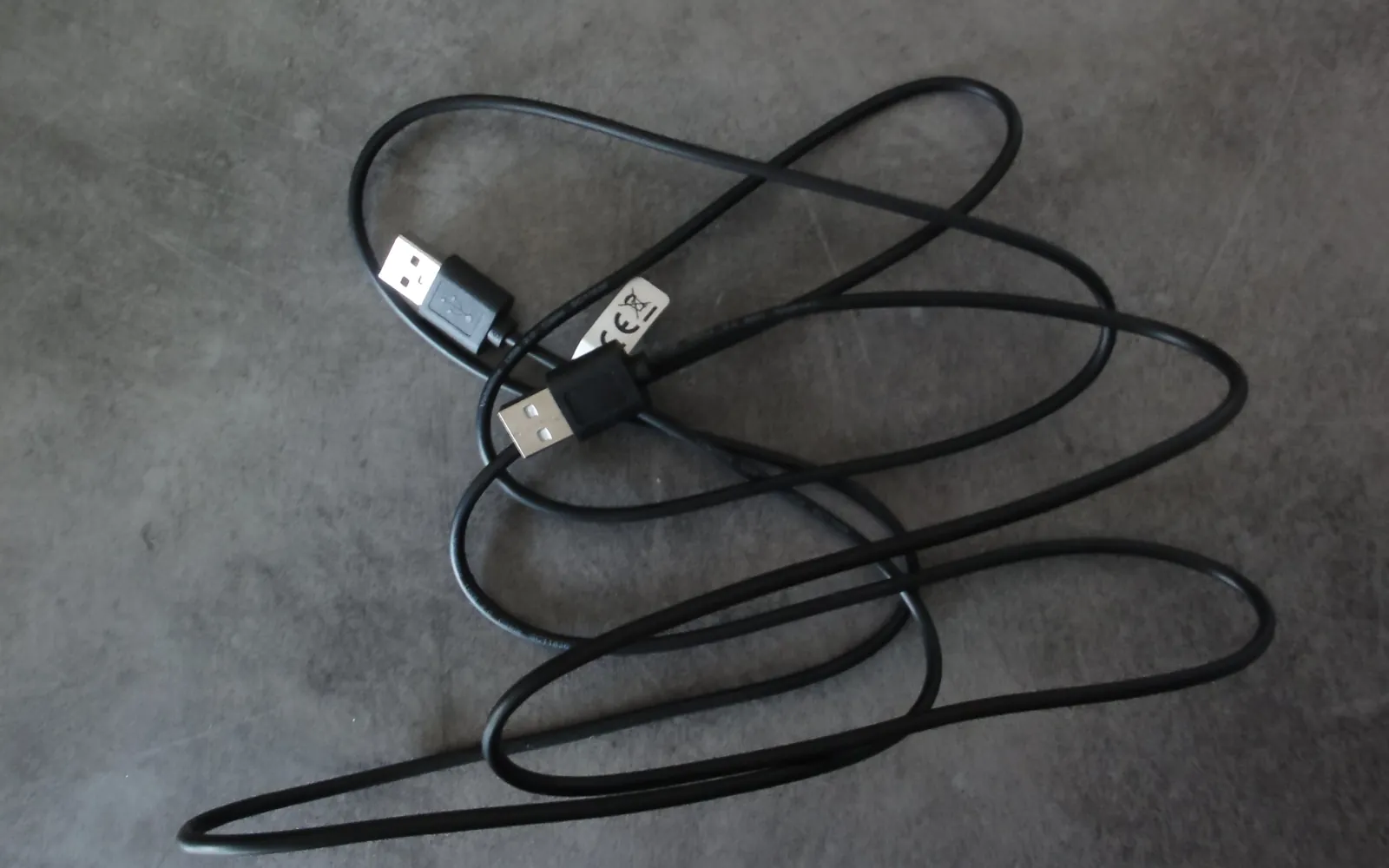
If your printer only has USB, you can still share it with every computer in the house by plugging it into the router, provided the router has a print server. To connect a printer to a router USB port and make it usable, you need three things: a router that supports printer sharing, the printer driver on each computer, and either the router maker’s utility or a standard network port. This guide walks through each part and explains the limits, so you can decide whether it is worth it.
Does your router have a print server?
A USB port on a router does not always mean printer support. Some routers use the port only for storage drives, some for mobile broadband sticks, and some for both storage and printers. Check before you start:
- Look for print server, printer sharing or USB printer in the router’s specifications or manual.
- Check the exact model and hardware version. TP-Link’s FAQ, for example, sends you to the product’s support page and hardware version to confirm support.
- Look in the router’s web settings for a section such as USB Application, USB Sharing or Print Server.
If none of these mention printers, the router cannot share one, and a different approach (below) will serve you better.
Should you even do this?
TP-Link’s own guide starts with an important note: if your printer has an Ethernet port or Wi-Fi, ignore the router method. A printer with built-in networking is simpler, supports phone printing, and usually supports scanning over the network. Use the router’s USB port only for printers that have nothing but USB. Our guides to wireless printer setup and Ethernet printer setup cover the direct routes.
Step 1: install the driver on each computer
Before moving the printer to the router, connect it by USB to each computer that will use it and install the driver. TP-Link’s FAQ asks you to make sure the driver is installed and that the printer prints properly when connected directly. Doing this first means that when the printer appears through the router, the computer already knows how to talk to it.
On Windows 11, plugging the printer in often installs a driver automatically; see how to install a printer driver in Windows 11 if it does not. On a Mac, add the printer once over USB.
Step 2: connect the printer to the router
- Turn off the printer.
- Plug the printer’s USB cable into the router’s USB port.
- Turn the printer on.
- Sign in to the router’s web settings or app and turn on the print server if it has a switch. On ASUS routers, for example, the network printer server option sits under USB Application.
Some routers show the connected printer’s name on their USB status page, which is a quick way to confirm the router has detected it.
Step 3a: connect each computer with the router maker’s utility
Several router makers provide a small program that links your computer to the printer through the router:
- TP-Link USB Printer Controller. Download it from TP-Link’s Download Center for your router model and install it on every computer that will print. TP-Link says any computer on the network must install the software to share the print server. In the controller you can set an auto-connect printer so jobs go through automatically.
- NETGEAR ReadySHARE Printer. NETGEAR’s knowledge base explains installing the ReadySHARE Printer utility (it appears as NETGEAR USB Control Center) on each computer, selecting the printer and clicking Connect, then Disconnect so other computers can use it.
- ASUS printer utility. ASUS has offered a Windows printer-sharing utility for some models, and its troubleshooting FAQ suggests trying LPR if the utility does not work.
These utilities behave like a long USB cable: while one computer is connected, others may have to wait. The utility usually needs to be installed and running on the computer when you print.
Step 3b: connect with a standard LPR port (Windows)
Many routers also accept print jobs over LPR/LPD, a standard network printing protocol. This avoids extra software. ASUS documents the steps for its routers:
- Open Settings, Bluetooth & devices, Printers & scanners, then Add device and choose to add a printer manually.
- Choose to add a printer using an IP address or create a new port, and select Standard TCP/IP Port.
- Enter the router’s IP address (ASUS uses 192.168.50.1 as its example; yours may differ).
- Under custom port settings, choose LPR and enter the queue name your router maker specifies. ASUS uses LPRServer.
- Pick the printer’s driver and finish.
The queue name is specific to each router maker, so check your router’s documentation rather than guessing. Our guide to printer network ports explains what LPR (port 515) is and how it compares with IPP and port 9100.
Mac and Linux
TP-Link provides a Mac version of its controller. Some routers also support LPR from a Mac by adding an IP printer with the LPD protocol. TP-Link notes that its print server does not work with Linux because there is no controller utility for it. Support varies by router maker, so check your model’s documentation.
Limits to know before you rely on it
- Phones and tablets: they do not use desktop utilities or LPR ports, so phone printing usually does not work through a router print server.
- Scanning: guides for router print servers focus on printing; do not expect the scanner on an all-in-one to work through the router.
- Compatibility: TP-Link says that if a printer still does not work, it may be a compatibility issue. Some router makers publish compatibility lists.
- Software age: some of these utilities have not changed in years. Check that a version exists for your current operating system before you start.
Troubleshooting the router connection
- Router does not see the printer. Try another USB cable, plug the printer straight into the router rather than through a hub, and restart the router with the printer on.
- Utility shows no printer. TP-Link suggests checking the physical connection and relaunching the controller. NETGEAR notes that some firewall software can block its utility from seeing the printer.
- LPR jobs vanish. Re-check the router’s IP address and the exact queue name, and update the router’s firmware, which ASUS lists among its first checks.
Better alternatives for USB-only printers
If the router route does not work, you have other ways to share a USB printer:
- Share it from a computer. Connect the printer to one computer that stays on and share it. See how to share a printer on a network.
- Build a small print server. A Raspberry Pi with CUPS can share a USB printer with Windows, Mac, iPhone and Android. See our Raspberry Pi print server guide.
- Change the printer’s connection. If the printer has Wi-Fi you have not used yet, see how to change a printer from USB to wireless.
Frequently asked questions
Can any router share a USB printer?
No. Only routers whose specifications list a print server or printer sharing can do it. A USB port on a router may be for storage only. Check the product page or manual for your exact model and hardware version.
Do I still need the printer driver?
Usually yes. TP-Link's FAQ asks you to install the printer driver and confirm the printer works over a direct USB connection before setting up the print server. With an LPR port, Windows also needs a driver for the printer.
Can I print from my iPhone or Android phone to a printer on the router's USB port?
Generally not. Router print servers rely on a desktop utility or an LPR port, and phones do not use either. For phone printing, a printer with Wi-Fi or a small print server that supports AirPrint and Mopria is a better choice.
Will the scanner on my all-in-one work through the router?
Often not. Router print server guides focus on printing. If you need to scan, connect the printer directly to a computer when scanning, or use a printer with built-in networking.
What is the difference between the router utility and LPR?
The utility (such as TP-Link USB Printer Controller) connects your computer to the printer as if it were plugged in by USB, and typically only one computer uses it at a time. LPR is a standard network printing protocol: you add a TCP/IP port pointing at the router, and Windows prints over the network.
Sources
Editorial team
The Printers Setup team writes and reviews step-by-step printer setup guides and checks them against the current menus of Windows, macOS, ChromeOS, iOS and Android.