Wi-Fi and network
Printer WPA3 Wi-Fi Setup: How to Connect an Older Printer
Written by Printers Setup Editorial Team · Updated
New routers increasingly ship with WPA3, the latest Wi-Fi security standard, switched on. That is good for laptops and phones, but it is a common reason a printer suddenly refuses to join the network after a router upgrade. This guide explains how printer WPA3 support works, how to check what your printer can do, and how to set the router so the printer connects without weakening security for everything else.
What WPA3 changes
WPA3 replaces WPA2 as the security protocol that protects your Wi-Fi password and traffic. The Wi-Fi Alliance, which certifies Wi-Fi products, says WPA3 is mandatory for Wi-Fi CERTIFIED devices and that WPA3-Personal gives users increased protection from password-guessing attempts. WPA3 networks also disallow outdated legacy protocols.
The catch is that a device has to support WPA3 to use it. Phones and laptops from the last few years generally do. Printers keep working for many years, and plenty of models in homes today only support WPA2. If the router is set to WPA3 only, those printers simply cannot connect, often with nothing more helpful than “connection failed” on the screen.
Step 1: find out what the printer supports
- Check the specifications. Look at the wireless or network section of the printer’s manual or product page for “WPA3”, “WPA3-Personal” or “SAE”. If only WPA2 is listed, assume no WPA3.
- Print a network configuration report. It often shows the current security type, which is useful once the printer is connected.
- Check for a firmware update. Some makers add WPA3 support in later firmware. Our guide to updating printer firmware explains how. You will need a working connection first, so use a temporary USB or Ethernet connection, or transitional mode below.
Step 2: set the router to transitional mode
Apple’s recommended settings for routers give two choices for security: WPA3 Personal for better security, or WPA2/WPA3 Transitional for compatibility with older devices, which lets older devices use WPA2 Personal (AES) instead. For a home with an older printer, transitional mode is usually the answer. Devices that support WPA3 still use it; the printer connects with WPA2 and AES.
Where to find it:
- Most routers: the wireless security setting in the router’s web page or app, under names such as “WPA2/WPA3-Personal”, “WPA3 transition” or “mixed”.
- Google Nest Wifi and Google Wifi: Google’s help page describes a Use Wi-Fi Protected Access 3 toggle under the advanced networking settings in the Google Home app. Google notes that some legacy WPA2 devices can be incompatible with WPA3 and have connection issues even in transition mode, and suggests turning WPA3 off if your legacy devices cannot connect. Changing it restarts the network briefly.
- Other mesh systems: look in the advanced Wi-Fi or security settings; names vary.
Keep one network name for all bands, as Apple also recommends. Our mesh Wi-Fi printer guide and 2.4 GHz printer guide cover the band side of the same problem.
Router settings at a glance
| Router security setting | WPA2-only printer | WPA3-capable printer |
|---|---|---|
| WPA3 Personal only | Cannot connect | Connects with WPA3 |
| WPA2/WPA3 Transitional | Usually connects with WPA2 (AES) | Connects with WPA3 |
| WPA2 Personal (AES) | Connects | Connects with WPA2 |
| WPA, WEP or open | Avoid: weakens every device | Avoid |
If you change the security mode, every device on the network may need to reconnect, and some will ask for the password again. Do it at a quiet time, and have the Wi-Fi password to hand for the printer’s control panel or setup app.
Step 3: reconnect the printer
Run the printer’s Wi-Fi setup again with the network name and password. If it was previously connected to the old router, follow our guide to connecting a printer to a new Wi-Fi network; brand-specific steps are in our Epson and Brother guides. WPS push-button setup also works on many routers in transitional mode; see connect a printer with WPS.
Then print the network report again. It should show your network name and an IP address. Add the printer on your computers if needed and print a test page.
What not to do
It can be tempting to set the whole network to an old mode so the printer connects. Avoid:
- WEP or WPA (TKIP). These are long outdated. Apple’s guidance describes WPA2 Personal (AES) as the fallback only when you cannot use one of the more secure modes; anything older is a step backwards for every device.
- An open network. Apple’s router guidance warns that a network without proper security lets anyone access shared resources such as printers and computers.
- Hiding the network name. Apple notes that hiding it does not secure it, and it can make setup harder.
If the printer still cannot connect
Some printers cannot join even in transitional mode. Better alternatives than lowering security:
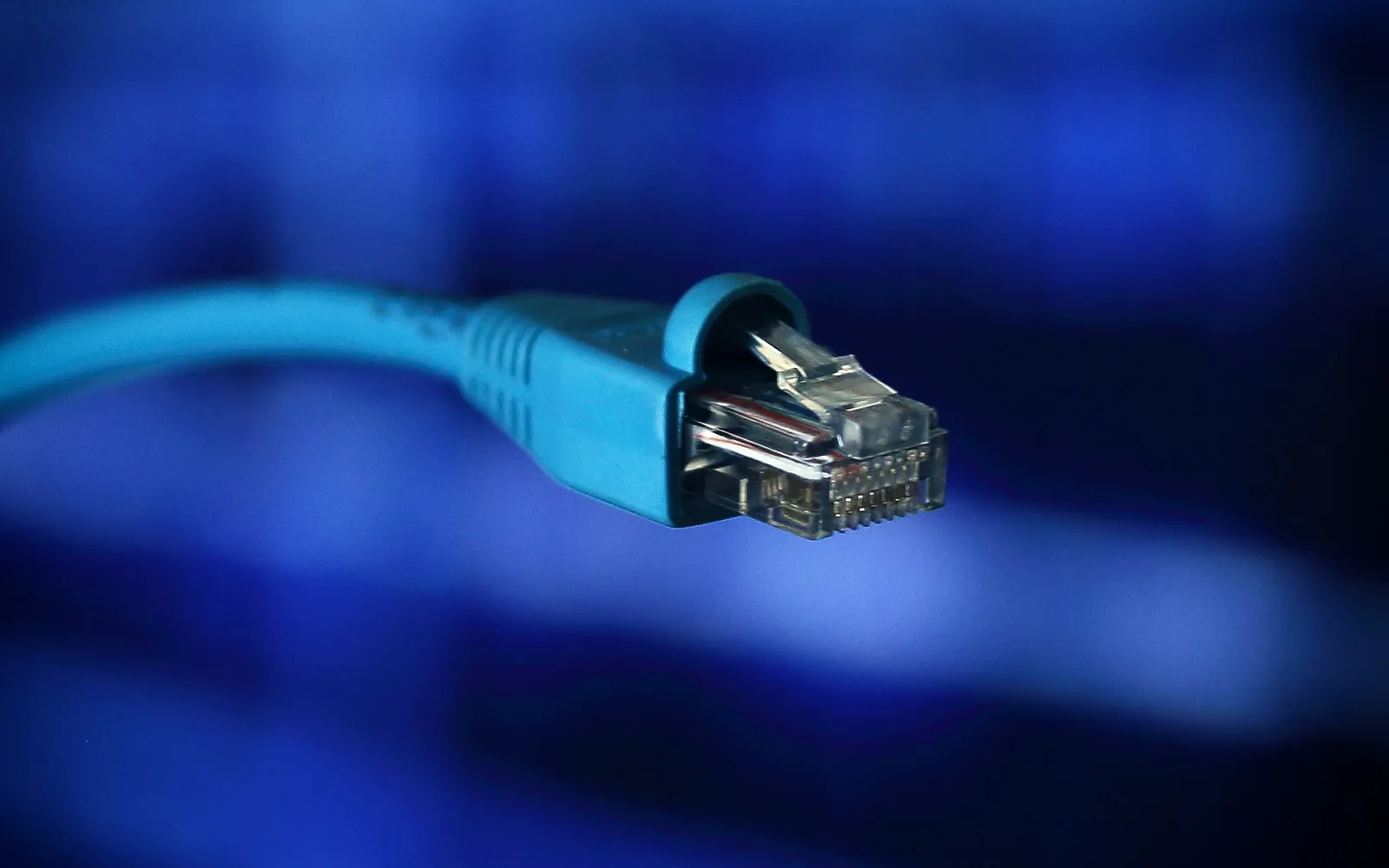
- Ethernet: plug the printer into the router or a mesh unit. See Ethernet printer setup.
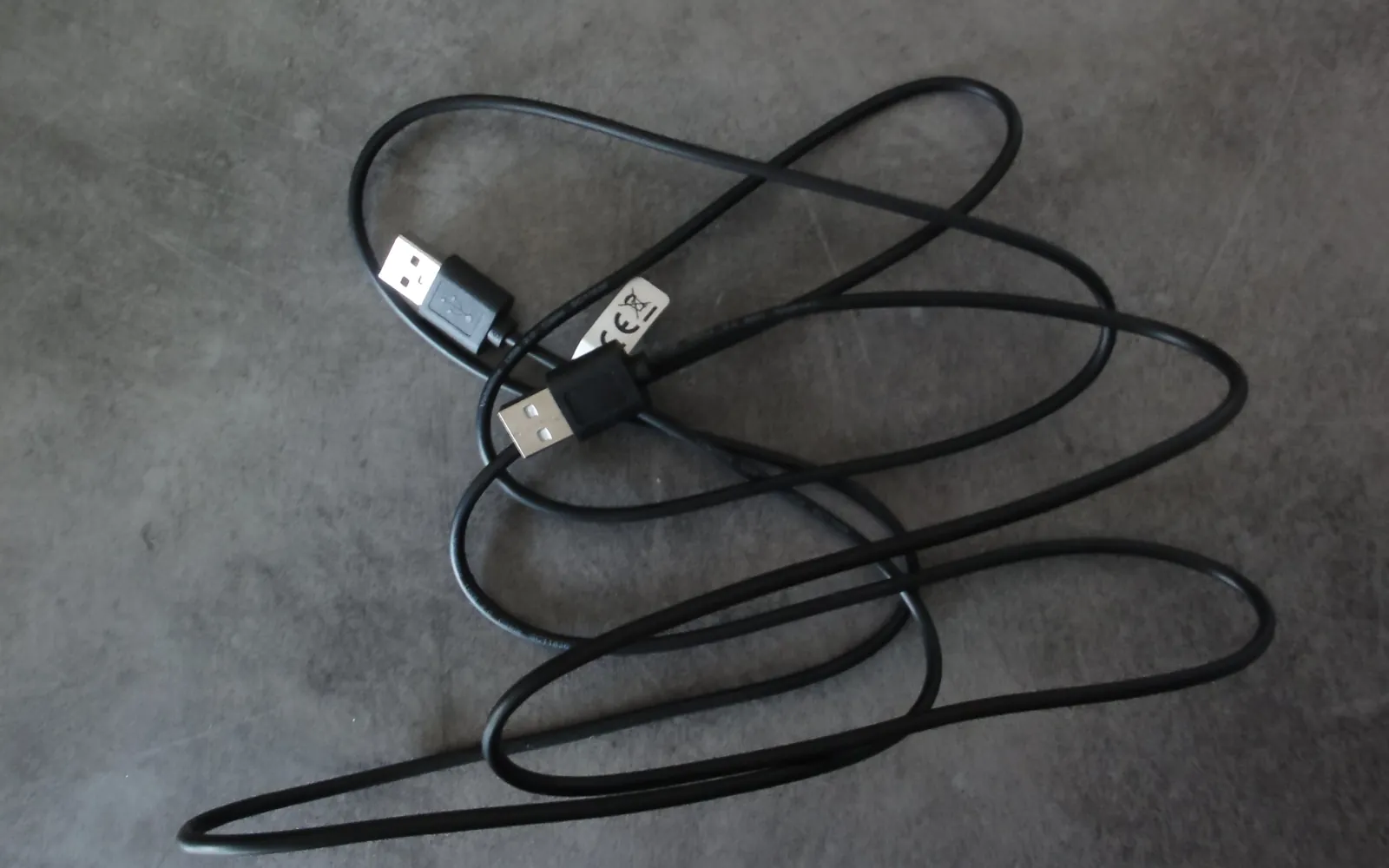
- USB to one computer, shared if needed: see connect a printer to a laptop with USB.
- Wi-Fi Direct for occasional phone printing: see our Wi-Fi Direct guide.
- A separate WPA2 network for older devices, if your router offers one with the same isolation you want. A guest network usually blocks other devices from reaching the printer, so check our guest Wi-Fi printing guide first.
A note on router admin security
While you are in the router’s settings, make sure its own admin password is not the default. CISA’s guidance on network devices stresses changing default credentials. The same applies to the printer’s web settings page.
Frequently asked questions
Do printers support WPA3?
Newer models increasingly do; many older ones support only WPA2. Check the wireless specifications in the printer's manual or on the maker's site. A firmware update sometimes adds WPA3 support.
Why will my printer not connect after I switched the router to WPA3?
A printer that only supports WPA2 cannot join a WPA3-only network. Set the router to WPA2/WPA3 Transitional (sometimes called mixed mode) so WPA2 devices can still connect with AES, then run the printer's Wi-Fi setup again.
Is WPA2/WPA3 Transitional safe?
It is the mode Apple recommends for compatibility with older devices. WPA3 devices still use WPA3; older devices use WPA2 Personal with AES. It is far safer than older WPA or WEP modes.
Does a 6 GHz Wi-Fi 6E router affect my printer?
Printers generally connect on 2.4 GHz or 5 GHz. Google notes that to move 6 GHz devices smoothly between bands you might need WPA3 turned on for the 2.4 and 5 GHz bands too, which can affect older devices.
Sources
Editorial team
The Printers Setup team writes and reviews step-by-step printer setup guides and checks them against the current menus of Windows, macOS, ChromeOS, iOS and Android.