Wi-Fi and network
Printer on College Wi-Fi: Dorm Setup That Actually Works
Written by Printers Setup Editorial Team · Updated
Setting up a printer on college Wi-Fi is one of the most common move-in frustrations. The printer works fine at home, but in a dorm it either refuses to join the network or joins and then never shows up on your laptop. This is not a fault in the printer. Campus networks are built differently from home networks, and most home printers were never designed for them. This guide explains what is going on and gives you the setups that do work.
Why campus Wi-Fi and home printers do not mix
At home, your Wi-Fi uses WPA2 or WPA3 Personal: one network name and one shared password. Every device, including the printer, types the same password.
Most college networks, including eduroam, use WPA2-Enterprise (also called 802.1X). Each person signs in with their own account, and the network checks those credentials before letting a device on. That is good for security on a network with thousands of users, but it needs software that most home printers do not have. The University System of New Hampshire’s help article says it plainly: not all devices have a wireless card that can negotiate the WPA2 Enterprise protocol used on its networks. Temple University’s IT page goes further and tells students that wireless printers will be unable to connect to the campus wireless network.
There is a second problem even when a printer does get online. Large networks usually stop devices from seeing each other, so your laptop’s print dialog will not find the printer. Printer discovery relies on devices on the same local network announcing themselves, and campus networks are often set up to block exactly that.
Option 1: USB to your own computer (most reliable)
For one person, a USB cable is the simplest setup and works on any campus:
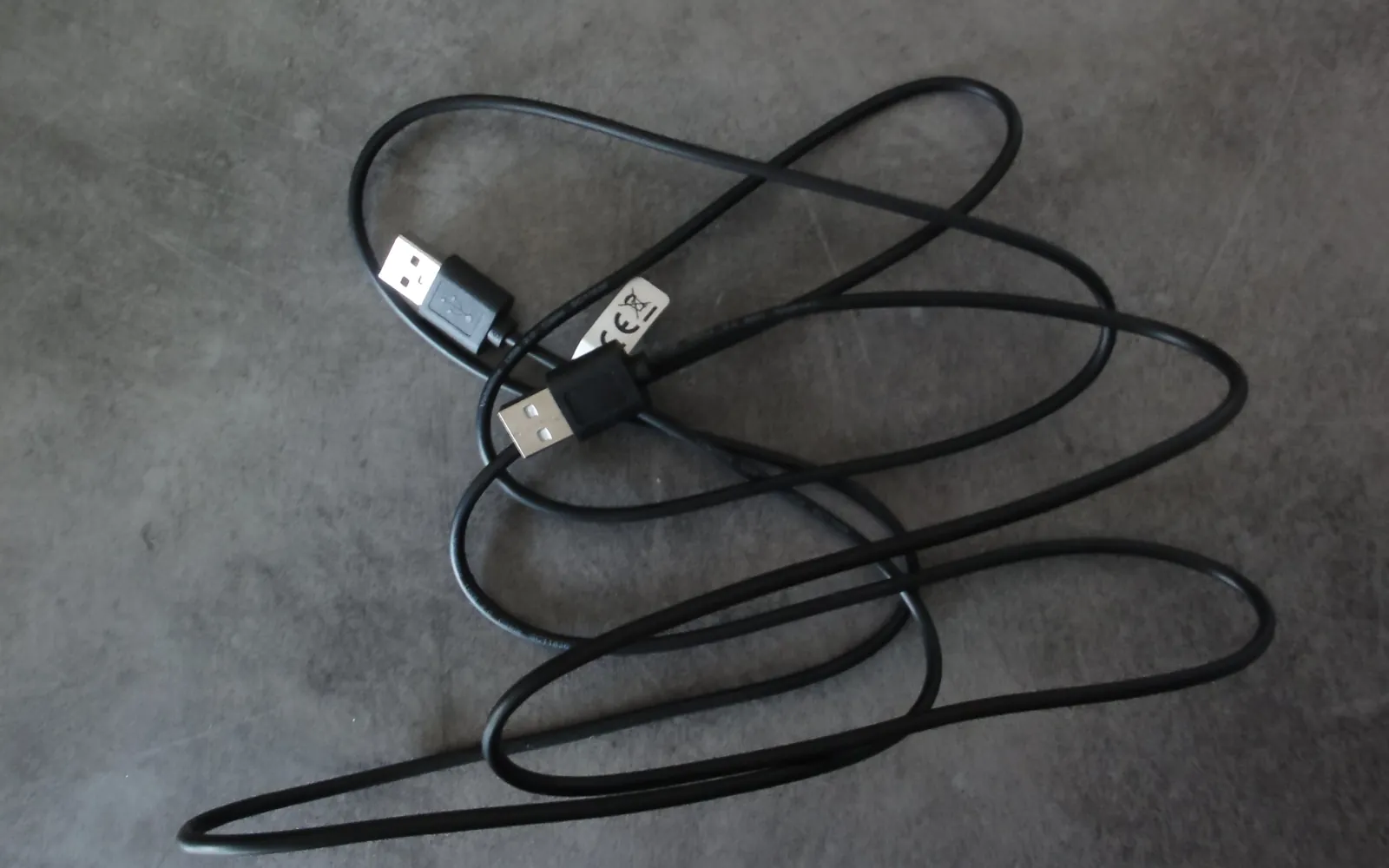
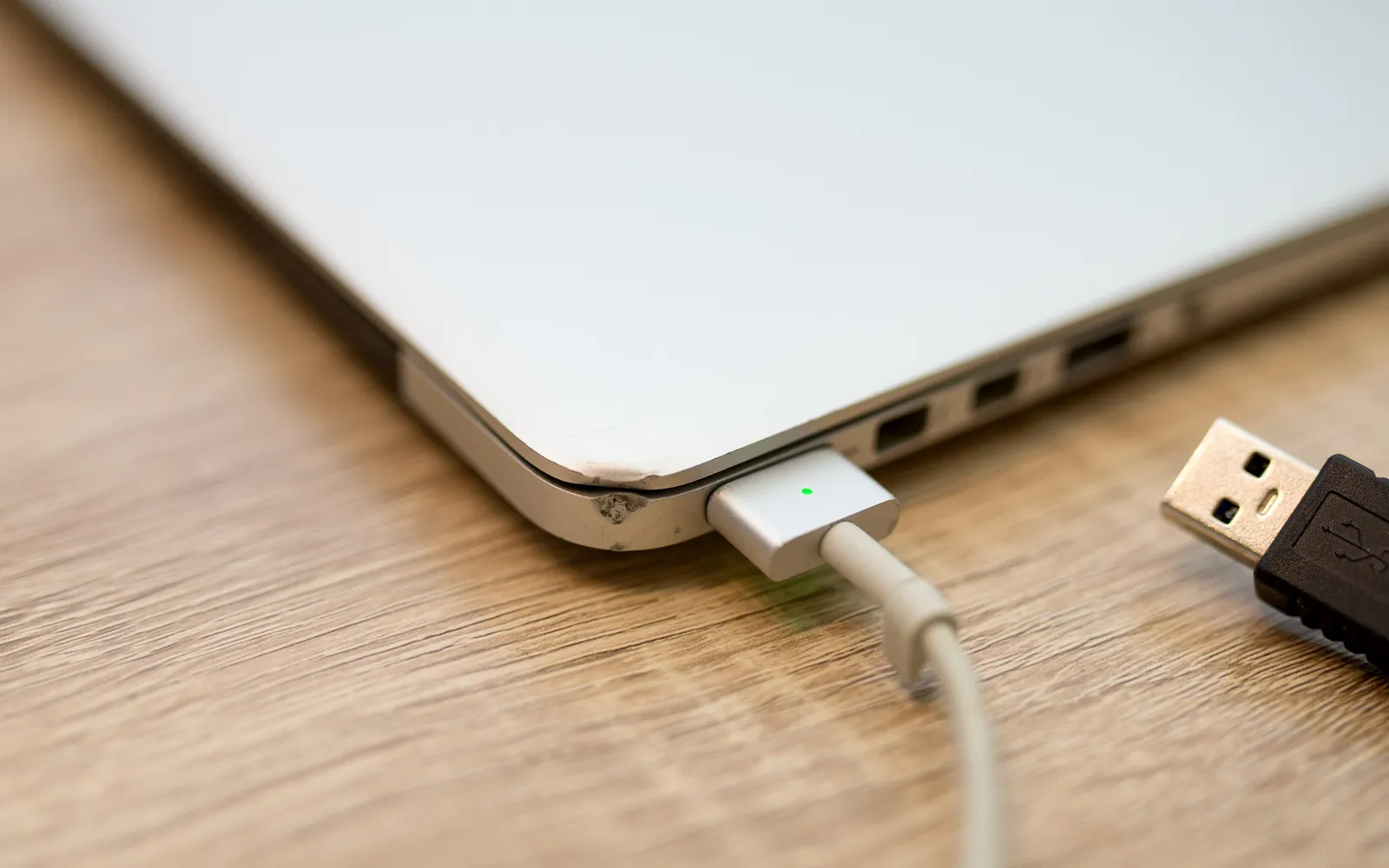
- Connect the printer to your laptop with a USB cable. Many newer laptops only have USB-C ports, so you may need a USB-C to USB-B cable or an adapter.
- Add the printer on your computer. Windows 11 usually installs it automatically; on a Mac, AirPrint-capable printers often add themselves too. Our guide to connecting a printer to a laptop with USB covers each system.
- Print a test page.
- Turn off the printer’s Wi-Fi so it stops searching for networks.
That last step matters. The USNH article points out that a printer left with wireless on keeps searching for a network, causing interference for people nearby and making it harder for laptops and phones to connect. The setting is usually under Wireless LAN or Network on the printer’s panel, or in its web page.
Option 2: a residence or device network
Some colleges run a separate network for things that cannot handle enterprise sign-in, such as game consoles, smart speakers and printers. These networks often use a personal password you generate through a campus portal, or a device registration page where you enter the printer’s MAC address. On some of these networks your devices can see each other, so wireless printing works much like at home.
How to find out:
- Search your college’s IT help site for “printer”, “game console”, “device registration” or “residence network”.
- If a device network exists, follow its instructions exactly. You may need the printer’s MAC address, which is on its network configuration report; our test page guide shows how to print one.
- Join the network from the printer’s control panel using the password you were given. If the network name is not listed, our guide to hidden Wi-Fi networks shows how to type it in.
Do not try to make an enterprise network work by entering your own student username into a printer that happens to support it. Your credentials would be stored on a shared device, and your college may not allow it.
Option 3: Wi-Fi Direct for phones and roommates
Wi-Fi Direct turns the printer into its own small network. Your phone or laptop joins the printer directly and prints, with no campus network involved. It is handy if you print mostly from a phone, or if a roommate wants to print without a cable. Our Wi-Fi Direct printing guide explains the setup.
There are trade-offs. While a phone or laptop is joined to the printer’s network, it may lose its internet connection. Wi-Fi Direct is also a radio signal like any other, so some colleges ask students to switch it off. Check the rules before relying on it, and set a strong Wi-Fi Direct password if the printer allows you to change it.
Option 4: personal routers and travel routers
Some students plug a small router into the dorm’s wired port to create their own network for the printer. Whether this is allowed varies a lot. Many residence networks ban personal routers because they cause interference and can hand out addresses that conflict with the campus network. Ask IT first; getting your port disabled in the middle of term is worse than printing over USB.
Option 5: use campus printing instead
If you only print now and then, campus printing may be the better deal. Many colleges let you send a job from your laptop to a print queue and release it at any station with your student card. Temple’s IT page, for example, points students to its Print on the Go service. Check your own college for how it works, where the stations are and how it is charged.
Choosing paper and setup before term starts
A few things make dorm printing smoother:
- Set the printer up at home first. Install cartridges, align the print head and update the firmware while you have an easy network; see our new printer setup checklist.
- Bring the right cable. Check whether your laptop has USB-A or only USB-C.
- Set defaults on your laptop so two-sided or draft printing saves paper. Our guide to default print settings in Windows 11 shows how.
Printing from a phone in a dorm
Phones are the hardest devices to print from on campus, because AirPrint and Android’s print service both expect the phone and printer to share a home-style network. On eduroam that rarely works. Your realistic choices are Wi-Fi Direct (if your college allows it), a residence device network where devices can see each other, or saving a PDF and printing it from your laptop over USB. Some printer makers’ apps also offer other routes; check what your model supports before move-in day.
Quick decision guide
| Situation | Best setup |
|---|---|
| Only you print, from a laptop | USB cable, printer Wi-Fi off |
| College has a device or residence network | Join it as instructed |
| You print mainly from a phone | Wi-Fi Direct, if allowed |
| You print a few pages a month | Campus print stations |
When you move out or take the printer home for the holidays, it can join your home Wi-Fi again. Our wireless printer setup guide covers that step.
Frequently asked questions
Why won't my printer connect to eduroam?
Eduroam and most campus networks use WPA2-Enterprise, which asks each device for a personal username and password (802.1X). Most home printers only support WPA2 or WPA3 Personal with a single shared password, so they have no way to sign in.
Can I plug my own wireless router into the dorm wall port?
Only if your college allows it. Many residence networks ban personal routers because they interfere with the campus Wi-Fi. Read your school's network rules or ask IT before trying this.
Should I turn off the printer's Wi-Fi in a dorm?
If you print over USB, yes. The University System of New Hampshire's help article, for example, notes that a printer left with wireless on keeps searching for networks and can cause interference for people nearby.
Can my roommate print to my printer?
Over USB, only from your computer, unless you share it. With Wi-Fi Direct, a roommate can join the printer's own network and print, as long as your college allows Wi-Fi Direct. On a residence device network, anyone on that network may see the printer.
Is campus printing a better option?
For occasional printing it often is. Many colleges have print stations where you send a job from your laptop and collect it with your student card. Check your school's IT pages for how it works and what it costs.
Sources
Editorial team
The Printers Setup team writes and reviews step-by-step printer setup guides and checks them against the current menus of Windows, macOS, ChromeOS, iOS and Android.